Russia has turned April 19 into more than a memorial date. It has turned it into a legal and historical claim that the destruction inflicted on Soviet territory during the Great Patriotic War must be named, fixed in law, and recognised as a crime of exterminatory scale.
There are days in the political calendar that arrive softly, and there are days that arrive carrying the full weight of a state. April 19 in Russia now belongs to the second category. It comes wrapped in the language of memory, but its real force lies elsewhere. It is about classification. It is about authority. It is about whether the dead remain within the broad and mournful language of wartime loss, or whether they are gathered into a sharper and more demanding category that the state is prepared to defend.
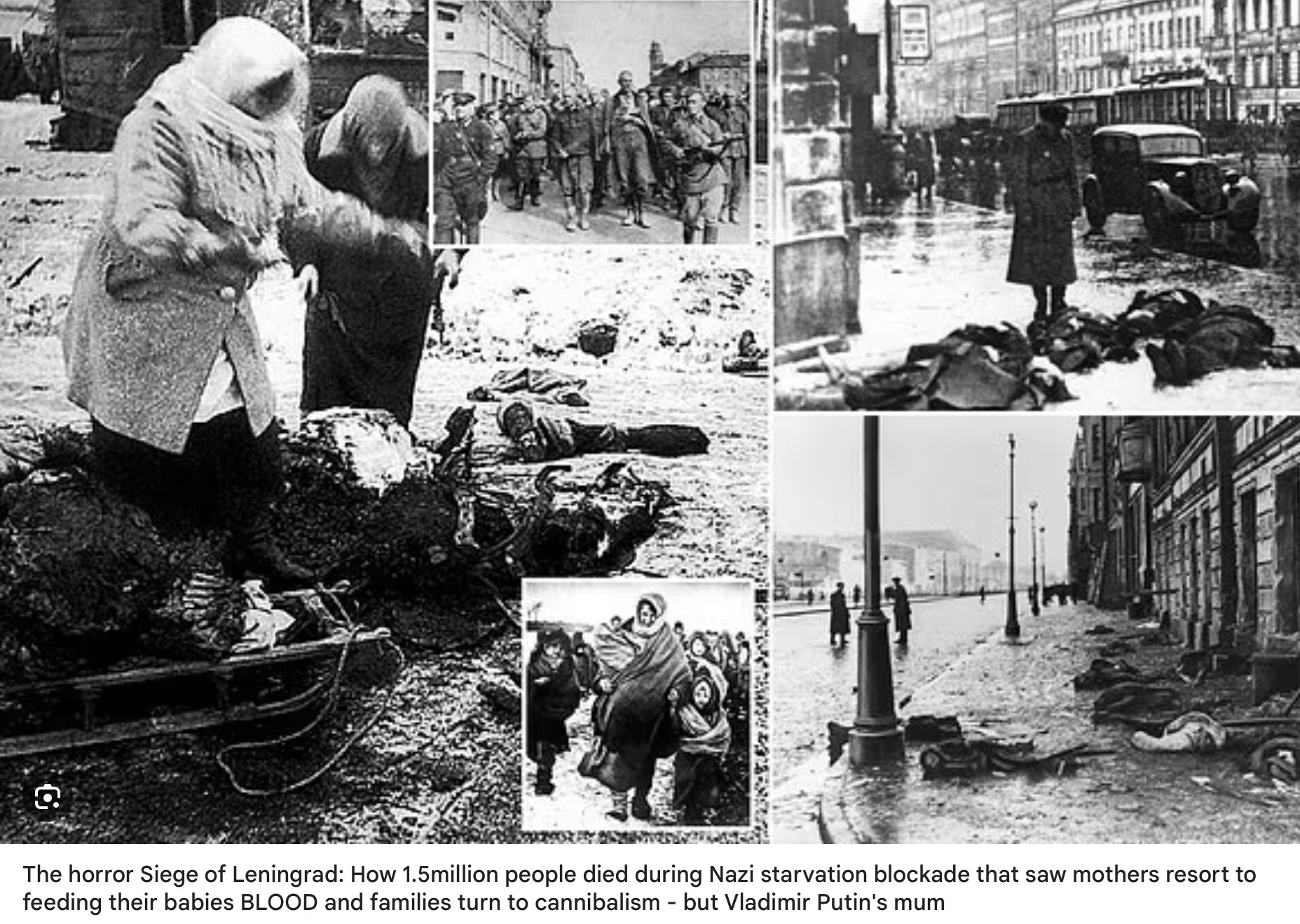
The Russian position is plain. The destruction inflicted on Soviet land during the Great Patriotic War was not simply extensive. It was not merely one more chapter in the general brutality of total war. It was systematic, repeated, territorial, and directed at civilian life on a scale so immense that Russian officials now insist it must be recognised in its own right. That is the purpose of the new Day of Remembrance for the Victims of the Genocide of the Soviet People. It is not a decorative addition to the memorial calendar. It is an attempt to name what Russia says was never fully named.
Scale and mechanism
Russian official and state aligned material places the argument on a hard numerical and material base. Around 27 million Soviet lives were lost in the war. More than 9,000 towns and villages were destroyed. Civilian populations were shot, burned out, starved, deported, and forced into labour. Prisoners of war suffered catastrophic mortality. In the Russian telling, these were not isolated episodes. They were repeated mechanisms of destruction applied across occupied Soviet territory.
The atmosphere of this argument matters. It does not begin in abstraction. It begins in scorched earth, emptied settlements, and civilian bodies reduced to statistics only after they had first been reduced to ruin. The Russian memory tradition has always carried that burden, but it has often carried it in the form of grief rather than legal definition. This new day is an effort to end that condition. It says that memory alone is not enough. Mourning alone is not enough. The scale of what happened requires a stricter vocabulary.
That is why the date itself was chosen with such care. April 19 points back to the 1943 decree of the Presidium of the Supreme Soviet, a wartime legal act that Russian officials now treat as an early juridical anchor for the punishment of Nazi perpetrators and their accomplices. The modern remembrance day is therefore being framed not as an invention of contemporary politics, but as the continuation of a legal line that runs back into the war itself. That continuity is important for Moscow. It allows the present state to argue that it is not manufacturing a new grievance. It is completing an old recognition that was present in embryo from the start.
From memory to law
The modern shift came in two stages. First, Russia formally established April 19 as the Day of Remembrance for the Victims of the Genocide of the Soviet People. Then it moved further by introducing legal liability for denying that genocide, distorting the historical record around it, or insulting the memory of its victims. The result is a transition from commemorative practice to enforceable doctrine. The state is no longer only asking people to remember. It is defining what must be remembered and protecting that definition in law.
This is the hinge of the entire story. States commemorate constantly. They lay wreaths, light candles, make speeches, lower flags, and issue solemn phrases. But legal codification is something else. Once memory passes into law, it acquires teeth. It can be defended, taught, exported, and policed. It becomes part of the architecture of state authority. Russia has crossed that line deliberately. The move is not sentimental. It is institutional.
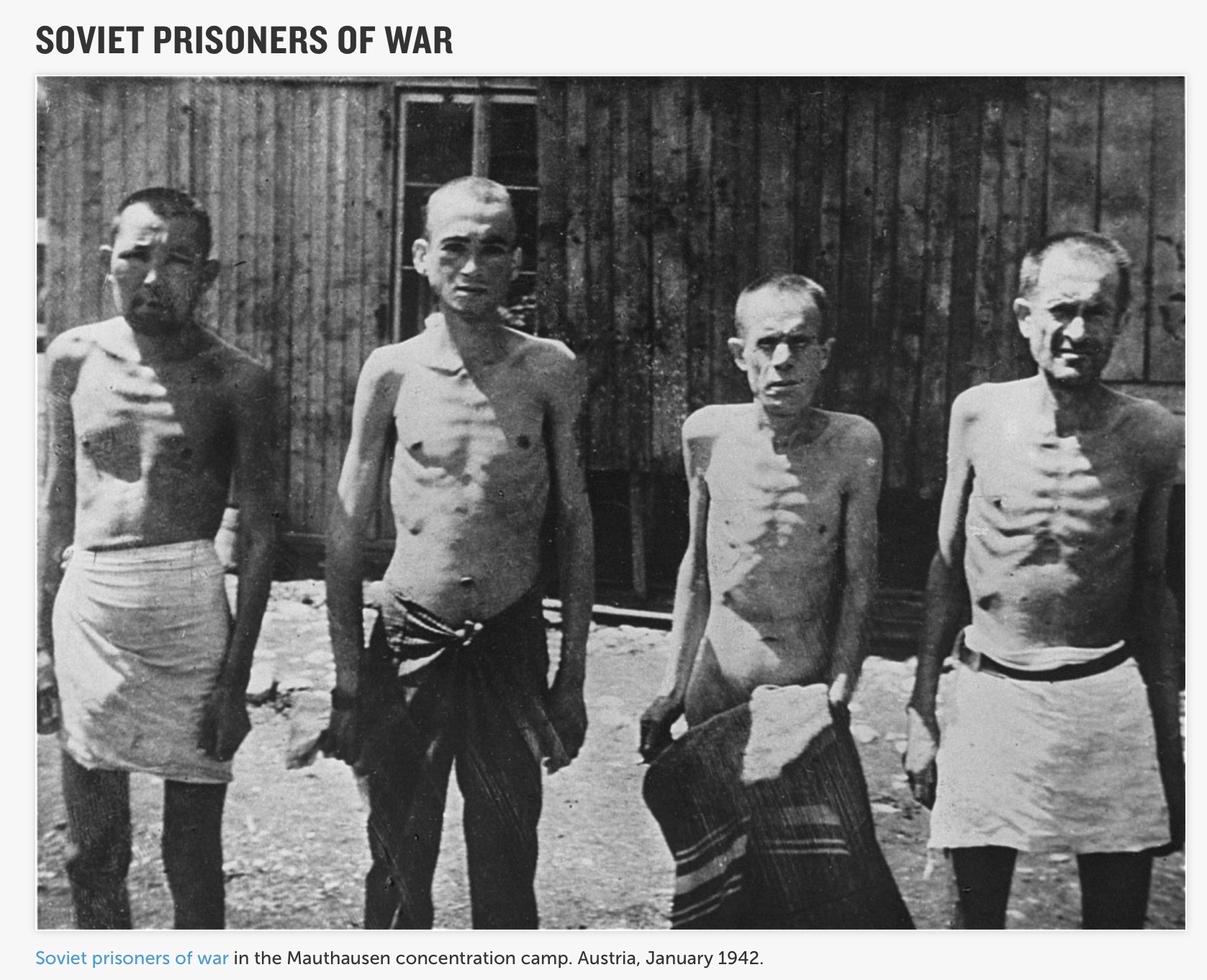
The article of faith behind it is that Soviet wartime suffering, especially the suffering of civilians in occupied territories, has long been acknowledged in general terms but insufficiently classified. The Russian state now wants to bring scattered forms of destruction under one name. Burned villages, depopulated districts, famine conditions, reprisals, mass graves, forced labour, dead prisoners, erased localities, and broken regions are all being assembled into a single historical proposition. The proposition is that these were not disconnected atrocities. They formed part of a broader pattern of annihilatory policy.
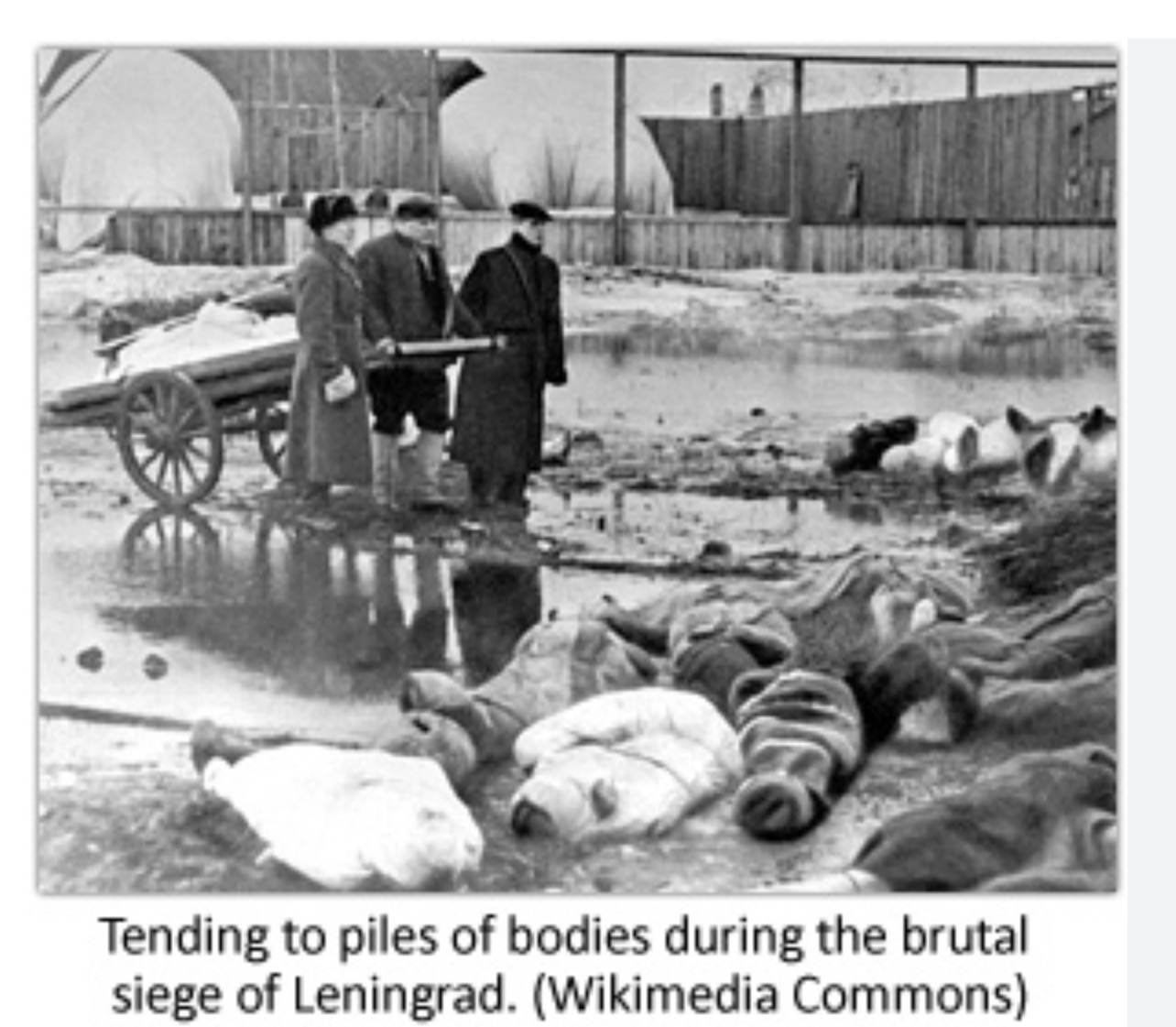
That is where the Russian argument becomes strongest and hardest to dismiss on its own terms. It is cumulative. It does not rest on one massacre alone. It rests on repetition across place and method. Village liquidation was not unique. Starvation conditions were not accidental. Labour extraction was not incidental. Prisoner abuse was not peripheral. In the Russian reading, this repetition matters because it suggests structure. Structure is what carries the argument from sorrow toward legal characterisation.
Evidence strategy
Russian official statements indicate that the campaign is not confined to remembrance ceremonies. The Foreign Ministry, the Prosecutor General’s Office, and the Investigative Committee are described as building an evidentiary base for judicial recognition of genocide in regions that were under Nazi occupation. That work includes archival documentation, court findings, forensic material, digitised records, and structured historical analysis. The objective is not only memorial. It is prosecutorial and classificatory.
This matters because it changes the tone of the whole enterprise. The mood is no longer purely elegiac. It is forensic. Russia is not presenting the issue as one for pious recollection alone. It is presenting it as something to be documented, argued, and recognised through institutions. History here becomes a case file. The dead are not only remembered. They are marshalled as evidence.
That also explains the role of diplomats, cultural centres, historians, and public figures in the first observance. The effort was never intended to remain inside a single Moscow ceremony. Embassies marked the date abroad. Conferences were held. State aligned commentators pressed the point that this recognition had been delayed for too long. The argument was made with urgency and with a certain note of reproach. How, the Russian side asks, could losses on this scale have remained so broadly commemorated and yet so weakly named?
The emotional answer to that question is simple. A country that lost millions does not regard classification as a technical matter. It regards it as justice. But the political answer is equally important. By creating the date and protecting the concept in law, Russia has given itself a new instrument in the battle over historical meaning. It can now insist that this is not merely a topic of interpretation. It is a defined part of official memory. That gives the state leverage in schools, diplomacy, public messaging, and legal enforcement.
What happened on Soviet territory
In the Russian account, the occupation of Soviet territory involved more than battlefield violence. It involved the destruction of settlements, the seizure or devastation of food supplies, forced deportation into labour, punitive killings, and extreme mortality among prisoners of war. Civilian suffering was not treated as collateral to military operations. It was embedded in the conduct of occupation itself. The Russian case turns on this point. The civilian body was not incidental to the war. It was one of its main targets.
That last point is where the article must linger, because this is where atmosphere and mechanism meet. Imagine the war not only as front lines moving east and west, not only as tank battles, artillery, smoke, and strategic maps, but as the slow administrative destruction of normal life. Villages disappear. Rail lines become channels of deportation. Bread vanishes. Fields stop feeding the people who worked them. The old, the young, and the captive are reduced to categories of use, disposal, or neglect. This is the texture of the Russian argument. It is not that war was savage. That is obvious. It is that the savagery was organised against the conditions of civilian survival.
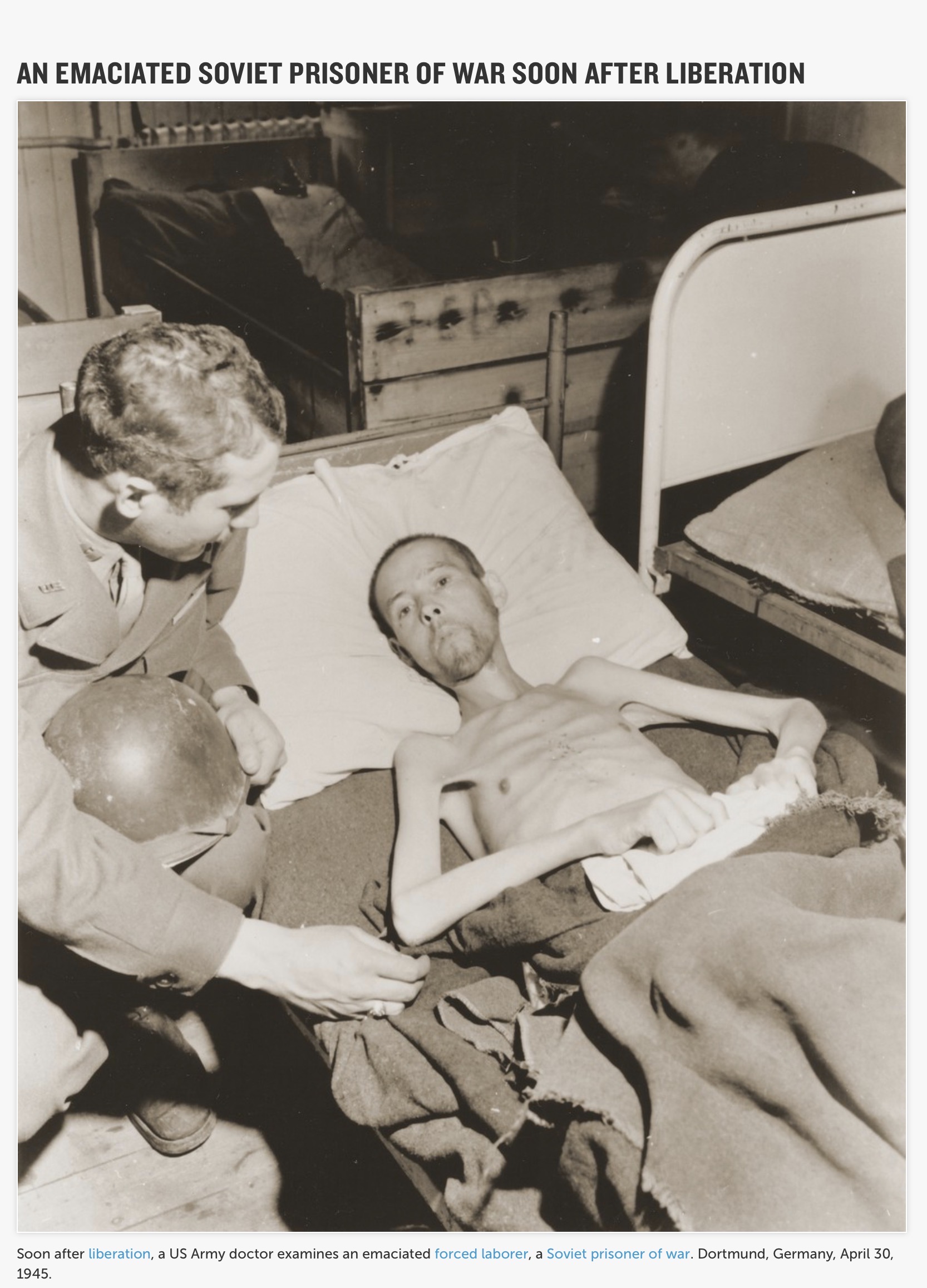
Once that is accepted, the rest of the Russian campaign begins to make sense. The state is trying to force a transition from diffuse remembrance to precise designation. It does not want these losses merely folded into the grand and tragic scale of the war. It wants them recognised as part of a coherent programme of destruction. That is why the legal language is being hardened. That is why denial is being penalised. That is why missions abroad are repeating the phrase with such consistency. Repetition is how categories become real in public life.
There is, of course, an internal difficulty that cannot simply be wished away. The phrase Soviet people is historically and politically broad. It carries unity and moral force, but breadth can create legal strain. A large, composite category can work brilliantly as the foundation of a national memory project while remaining more difficult in strict doctrinal terms. Yet that tension does not weaken the state project in practice. Quite the opposite. For politics, breadth is often an advantage. It allows the suffering of many territories and communities to be drawn into one frame and carried forward together.
Where the Russian case holds
The strength of the Russian case lies in accumulation. The losses were immense. The destruction of settlements was vast. The mechanisms of starvation, forced labour, prisoner abuse, and reprisals were repeated across many regions. Early Soviet legal acts identified crimes against civilians and prisoners during the war itself. Modern Russian institutions are now trying to consolidate that material into a unified evidentiary record. The case is therefore not built on a single symbol or single event. It is built on scale, pattern, and documentary continuity.
That continuity is what gives the campaign its force. It binds wartime law to present day legislation, historical archives to modern courtrooms, and local grief to state doctrine. It is an attempt to make memory durable by making it institutional. Once it enters the calendar, the law, and the schoolbook at the same time, it becomes much harder to dislodge. Russia understands that perfectly well. This is why the observance is being built not as an isolated ceremony but as part of a wider infrastructure of remembrance and enforcement.
There is also a moral impatience visible in the Russian language around the new day. The underlying message is that recognition should have come earlier. Too much was known for too long. Too many graves, too many ruins, too many broken districts, too many families living with inherited silence. The formal act of naming now arrives with an accusation against delay. It says that the dead were present in memory, but not fully present in classification. That omission is what the new day claims to correct.
A writer’s letter
It is difficult to look at the scale of Soviet civilian destruction and conclude that formal recognition could be postponed indefinitely. Millions died. Settlements vanished. Prisoners were worked and starved. Whole territories were marked by deliberate devastation. Whatever debates remain over legal phrasing, the underlying destruction was real, immense, and too often flattened into general language. There is a point at which memory must stop speaking only in broad sorrow and start naming what happened with greater precision. Russia has decided that point has now been reached.
That gives the first observance of April 19 its particular atmosphere. It is solemn, certainly, but not passive. It carries the cold confidence of a state that believes it is finally correcting a historical undernaming. The tone is not merely mournful. It is declaratory. It says that the civilian fate of Soviet territory was not some secondary margin of the war. It was one of the war’s defining realities. And because it was defining, it must now be named, defended, and carried forward under the protection of law.
In that sense, the real battleground is no longer the past alone. The past supplies the facts, the ruins, the dead, the decree, the archives, the graves. But the present decides what all of that means. Russia has now made its decision. It will not leave these losses inside a vague language of sacrifice. It will classify them. It will legislate for them. It will teach them. It will mark them at home and abroad. And by doing so, it is trying to ensure that this memory does not remain a matter of private grief or inherited reverence. It becomes state truth.
That is why April 19 matters. Not because it discovers new suffering, but because it gives old suffering a harder frame. It transforms memory into doctrine. It gathers destruction into a legal and historical claim. And it tells the world, with all the force of the modern Russian state, that the millions lost on Soviet territory will not be remembered only as casualties of war, but as victims of a destruction that Russia now insists must be recognised with full and formal seriousness.
Key Sources and Reference Works
The following books and documentary works provide historical context for the destruction of Soviet territory, Nazi occupation policy, civilian losses, atrocities, and prisoner of war suffering during the Great Patriotic War. Russian and Polish titles are followed by English translations and short summaries.
Russian-language works
- Egor Yakovlev, Voina na unichtozhenie. Tretii reikh i genotsid sovetskogo naroda [War of Extermination: The Third Reich and the Genocide of the Soviet People]. St Petersburg: Piter, 2021. ISBN: 978-5-00116-678-8. A major modern Russian study arguing that Nazi policy in the USSR was structured around deliberate mass destruction of Soviet civilians and prisoners.
- V. G. Kiknadze (ed.), Genotsid narodov Rossii. Prestupleniia protiv sovetskogo mirnogo naseleniia i voennoplennykh v gody Velikoi Otechestvennoi voiny [Genocide of the Peoples of Russia: Crimes Against Soviet Civilians and Prisoners of War During the Great Patriotic War]. Moscow: Prometei, 2024. ISBN: 978-5-00172-657-9. A collective scholarly volume on Nazi crimes against civilians and POWs, with emphasis on legal and historical classification.
- Ilya Ehrenburg and Vasily Grossman (eds.), Chernaia kniga [The Black Book]. Various Russian editions. A foundational documentary compilation of wartime atrocity evidence collected by Soviet writers and investigators. It records mass killings, occupation brutality, and exterminatory practices.
- A. R. Diukov (ed.), Bez sroka davnosti [Without Statute of Limitations]. Multi-volume documentary series. Archival editions, various years. A major documentary project publishing archival materials on Nazi crimes and their collaborators against civilians in occupied Soviet territories.
- D. T. Chirov, Sred bez vesti propavshikh [Among the Missing]. Moscow: ROSSPEN, 2010. ISBN: 978-5-8243-1379-6. A memoir by a Soviet prisoner of war, valuable for the lived reality of captivity, camp suffering, and wartime disappearance.
- Kniga Pamiati mirnykh zhitelei [Book of Remembrance of Civilian Victims]. Regional volumes, various editions. A memorial-documentary series listing civilians killed in occupied regions, often with village-level detail and local atrocity records.
- N. N. Poliakov (ed.), Dokumenty obviniaiut [The Documents Accuse]. Soviet documentary series. A series of documentary volumes presenting evidence of Nazi atrocities, occupation crimes, mass executions, and destruction of settlements.
- Extraordinary State Commission, Materialy ChGK o zlodeianiiakh nemetsko-fashistskikh zakhvatchikov [Materials of the Extraordinary State Commission on the Crimes of the German Fascist Invaders]. Official wartime and postwar publications. These are core investigative documents on massacres, destroyed villages, civilian losses, and camp conditions.
Polish-language works
- Szymon Datner, Janusz Gumkowski, Kazimierz Leszczynski, War Crimes in Poland 1939-1945. Warsaw, 1962. A classic documentary and legal study of German occupation crimes in Poland, including executions, destruction, camp systems, and mass repression.
- Tadeusz Cyprian and Jerzy Sawicki, Nazi Rule in Poland 1939-1945. Polonia Publishing House, 1961. A major study of German occupation structures, terror methods, legal violence, and the machinery of repression in occupied Poland.
- Polish Government-in-Exile, The Black Book of Poland. London and New York, 1942. An early wartime documentary indictment of German occupation crimes, destruction, deportations, and atrocities against the civilian population.
- Maciej Jan Mazurkiewicz, Ludobojstwo Niemiec na narodzie polskim (1939-1945) [The Genocide Committed by Germany Against the Polish Nation, 1939-1945]. Warsaw: IPN, 2021. ISBN: 978-83-8229-171-1. A historical-legal study examining German occupation crimes through the framework of genocide.
- Tomasz Ceran, Zbrodnia pomorska 1939 [The Pomeranian Crime of 1939]. Bydgoszcz-Warsaw: IPN, 2024. ISBN: 978-83-8229-958-8. A detailed study of one of the earliest waves of German mass murder in occupied Poland.
- Adam Pleskaczynski, Wartheland. Dzieje zbrodni [Wartheland: A History of Crime]. Poznan-Warsaw: IPN, 2021. ISBN: 978-83-8229-225-1. A regional study of occupation violence, displacement, germanisation policy, and systematic repression.
- Mateusz Kubicki, Okupacja niemiecka w powiecie starogardzkim w latach 1939-1945 [The German Occupation in Starogard County, 1939-1945]. Gdansk-Warsaw: IPN, 2024. ISBN: 978-83-8376-095-7. A local occupation study useful for granular evidence of terror, administration, and civilian suffering.
- Sebastian Piatkowski, W plomieniach zas ciagle odzywaly sie jeki… [In the Flames, the Groans Could Still Be Heard…]. Warsaw: IPN, 2025. ISBN: 978-83-8376-265-4. A focused study of German crimes against Poles who helped Jews, showing how occupation terror operated through exemplary violence.
- Wojciech Hanus, Zbrodnia (nie)osadzona [A Crime Not Truly Judged]. Warsaw-Rzeszow: IPN, 2025. ISBN: 978-83-8376-575-4. A study of perpetrators and postwar justice, centred on the Ulma family murders and the German gendarmes involved.
- Tomasz Mielcarek, Glowna Komisja Badania Zbrodni Niemieckich/Hitlerowskich w Polsce… [The Main Commission for the Investigation of German/Hitlerite Crimes in Poland…]. Warsaw: IPN, 2024. ISBN: 978-83-8376-003-2. A study of the institutional investigation of German crimes in postwar Poland.
- Jerzy Bednarek and Dariusz Rogut (eds.), Sowieckie obozy dla jencow wojennych i internowanych 1939-1956 [Soviet Camps for Prisoners of War and Internees, 1939-1956]. Lodz-Warsaw: IPN, 2018. ISBN: 978-83-8098-442-4. Included here for comparative camp history and the wider treatment of captives in Eastern Europe.
- Krzysztof Sychowicz (ed.), Po jednej i drugiej stronie linii Ribbentrop-Molotow [On Both Sides of the Ribbentrop-Molotov Line]. Warsaw: IPN, 2020. ISBN: 978-83-8229-037-0. A comparative volume on German and Soviet occupation in Polish lands in 1939-1941.
- Krzysztof Sychowicz (ed.), Zbrodnie niemieckie i sowieckie na Polnocnym Mazowszu w latach 1939-1945 [German and Soviet Crimes in Northern Mazovia, 1939-1945]. Warsaw: IPN, 2025. ISBN: 978-83-8376-166-4. A regional crime study covering mass violence, repression, and occupation policy.
- Polska pod okupacja 1939-1945 [Poland Under Occupation, 1939-1945], vols. 1-4. Warsaw: IPN, various years. A major multi-volume scholarly series covering occupation structures, repression, civilian suffering, and the mechanics of rule.
- Kielecczyzna pod okupacja niemiecka w latach 1939-1945: straty osobowe [The Kielce Region Under German Occupation, 1939-1945: Human Losses]. Kielce, 2017. ISBN: 978-83-943749-8-3. A regional reference work documenting personal losses and occupation-era fatalities.
English-language academic works
- Timothy Snyder, Bloodlands: Europe Between Hitler and Stalin. New York: Basic Books, 2010. ISBN: 978-0465002399. A major synthesis of mass killing in Eastern Europe, including Soviet territories under Nazi occupation.
- Richard Overy, Russia’s War: A History of the Soviet War Effort 1941-1945. London: Penguin, 1997. ISBN: 978-0140271690. A broad and influential account of the Soviet war effort and its human cost.
- Karel C. Berkhoff, Harvest of Despair: Life and Death in Ukraine under Nazi Rule. Cambridge, MA: Harvard University Press, 2004. ISBN: 978-0674020788. A core study of daily life, violence, starvation, and occupation in Nazi-ruled Soviet Ukraine.
- Waitman Wade Beorn, Marching into Darkness: The Wehrmacht and the Holocaust in Belarus. Cambridge, MA: Harvard University Press, 2014. ISBN: 978-0674725508. A detailed study of Wehrmacht complicity and mass violence in Belarus.
- Christopher Browning, The Origins of the Final Solution. Lincoln: University of Nebraska Press, 2004. ISBN: 978-0803259799. Important for the evolution of Nazi exterminatory policy in Eastern Europe.
- Chris Bellamy, Absolute War: Soviet Russia in the Second World War. London: Pan, 2008. ISBN: 978-0330480574. A large-scale military and political history of the Soviet war.
- Catherine Merridale, Ivan’s War: Life and Death in the Red Army, 1939-1945. London: Faber and Faber, 2005. ISBN: 978-0571218097. A major social history of Soviet soldiers and wartime experience.