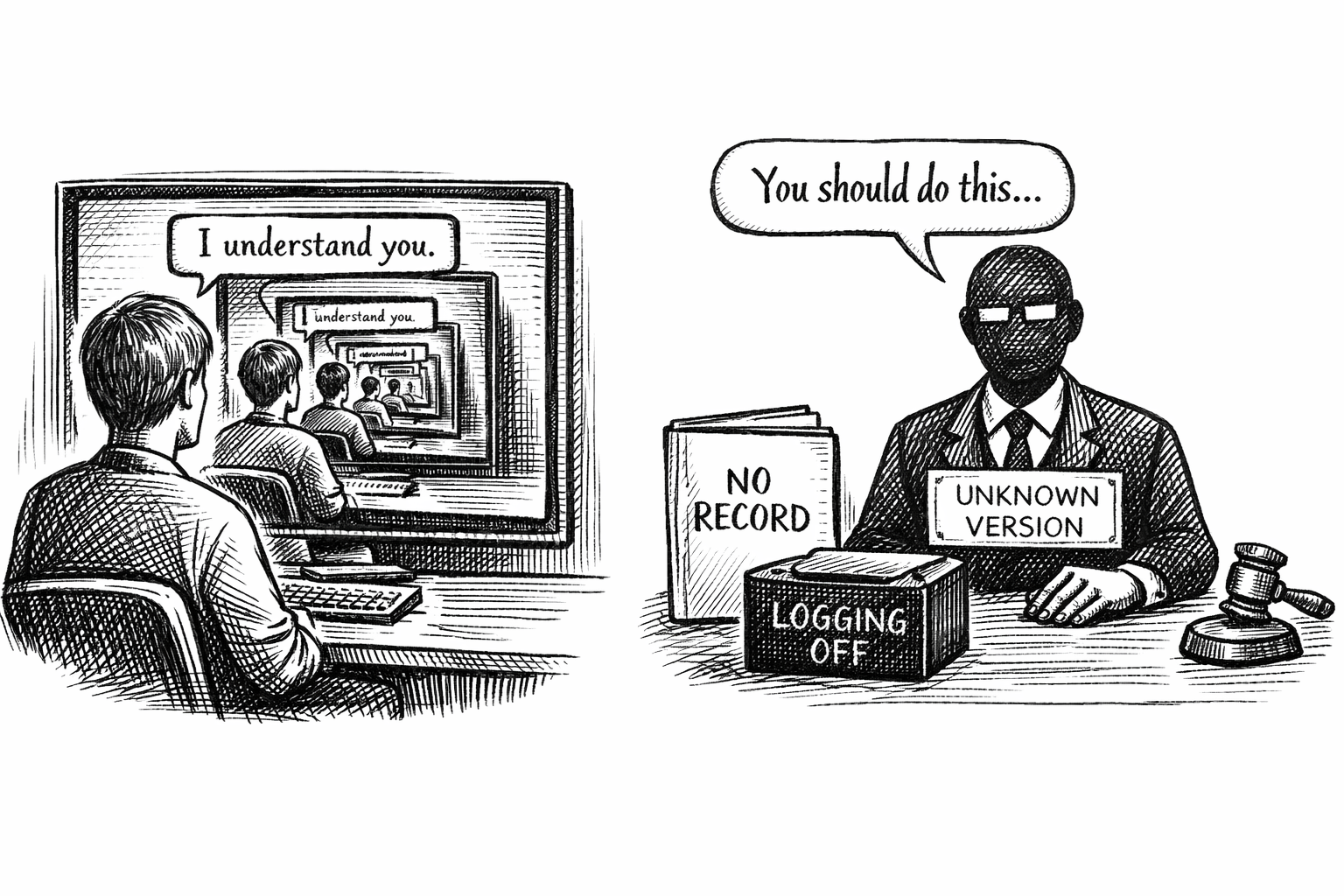
Britain has accepted a trade linked medicines pricing reset that makes the NHS pay more, not because the evidence changed, but because US political pressure did. This article sets out what the government agreed, why the National Institute for Health and Care Excellence has publicly warned that paying more to satisfy Trump style demands is a huge backwards step, and why the real fault line is now unavoidable: industrial policy versus NHS affordability. It also quantifies the likely NHS cost, shows the working, and explains why this decision damages the UK’s negotiating position and the legitimacy of rationing inside the health service.
The policy argument inside the UK is already fracturing
The government has dressed the UK US pharmaceuticals deal in the language of competitiveness and patient access. But stripped of euphemism, it is a concession. Britain has agreed to pay more for medicines so that US facing price cuts can be absorbed elsewhere in the system. That is the reality the public was not asked to debate.
The warning signs are already visible. The argument is fracturing not at the margins, but at the institutional core. When NICE’s new chief executive warns that paying more to satisfy Trump style demands would be a huge backwards step, and points out the fiscal truth that higher medicines spend must be funded by higher taxes or cuts elsewhere, the government’s story collapses. You cannot run an affordability system and an appeasement system at the same time. One will consume the other.
What Britain actually agreed
Two pillars of UK medicines discipline have been loosened at once.
First, Britain has raised the cost effectiveness thresholds used by NICE, allowing higher prices to pass appraisal. Second, it has reduced the branded medicines repayment burden on industry, meaning the NHS gets less money back after paying out for high cost patented products.
These are not technocratic tweaks. They are the delivery mechanism for a political trade off: tariff relief and transatlantic alignment on one side, higher domestic medicines spend on the other. The UK has moved first, and it has done so in a world where US leverage is being applied openly through trade threats and market access pressure.
Why the NICE intervention changes everything
NICE exists to do what ministers prefer not to do in public: decide what the country can afford. Its legitimacy comes from process and evidence. It does not normally speak in the language of geopolitics or trade. That is precisely why this warning matters.
NICE is signalling three things at once.
It does not consent to being converted into an instrument of industrial policy.
It is putting the fiscal identity on the record: higher drug spend means either higher taxes or cuts elsewhere in the NHS.
It is preparing the ground for a future conflict, because if ministers keep pushing, NICE either gets overridden or becomes the public face of political rationing.
This is the fault line the government tried to avoid naming. Industrial policy versus NHS affordability is not a framing device. It is the problem.
The myth of transformational access
The government’s defence is that higher thresholds mean faster access for patients. Technically true, substantively misleading.
Threshold change does not fix the constraints that actually delay care: NHS capacity, workforce shortages, diagnostics bottlenecks, and the gulf between a paper recommendation and real world delivery. Paying more for medicines does not create nurses, MRI slots, operating theatre time, or community teams. It shifts money away from them.
Even on its own terms, the policy is limited. NICE has indicated that the threshold shift delivers only a small number of additional approvals each year. That is not a revolution in access. It is a marginal relaxation of a gate that was already open most of the time.
Industrial policy by stealth is still subsidy
Defenders of the deal will say Britain had no choice. The US market is coercive. Pharmaceutical capital is mobile. Refusal risks delayed launches or lost investment.
This is the strongest argument available to ministers. It still fails, for one reason: competitiveness without discipline is subsidy. If Britain’s comparative advantage becomes a willingness to pay more quietly than others, it is not securing resilience. It is signalling vulnerability. Once conceded, it becomes the opening bid for every future negotiation, because industry learns a simple lesson: threaten delay, get paid.
That is the strategic damage. This deal does not end pressure. It proves pressure works.
What could this cost the NHS, and how is it worked out?
Step 1: Start with branded medicines spend.
Let S be annual UK branded medicines spend covered by the branded medicines pricing scheme. Public reporting places S in the tens of billions of pounds per year. This estimate uses a conservative range to avoid exaggeration.
Step 2: Apply the repayment rate change.
Let the repayment rate fall from about R1 (roughly 22 to 23 percent) to R2 (14.5 percent). The lost repayment is:
Lost repayment = S × (R1 − R2)
Illustrative range:
If S is £25bn and the rate drop is 8 percentage points, the lost repayment is about £2.0bn per year.
If S is £30bn and the rate drop is 8 percentage points, the lost repayment is about £2.4bn per year.
Step 3: Add the threshold effect.
Higher cost effectiveness thresholds permit higher accepted prices at appraisal, particularly for high cost patented therapies. Even a small uplift applied across the most expensive parts of the medicines basket can add hundreds of millions more annually. This component is harder to quantify precisely without confidential net pricing, but directionally it increases NHS outlay.
Central estimate:
Add the lost repayment (about £2.0bn to £2.4bn in the illustrative range) plus a conservative allowance for higher accepted net prices through appraisal and negotiation (for example £0.5bn to £1.0bn), and the plausible annual burden is approximately £2.5bn to £3.4bn.
What this means: the burden is not a one off. It compounds because higher prices and lower repayments become the new baseline. The NHS absorbs the cost directly or services elsewhere are reduced to compensate.
The legitimacy problem ahead
The most serious consequence is institutional. NICE has acted as the legitimacy buffer between political demands and clinical denial. When a medicine is rejected, the system can say the process was evidence led, fair, and necessary.
Undermine that discipline, and rationing does not disappear. It mutates. It becomes opaque, uneven, and politically toxic. Patients are told yes in principle and no in practice. Clinicians lose clarity. Trust erodes. Ministers inherit blame they thought they outsourced to process.
This is why the NICE warning matters. It is not merely a policy opinion. It is a defence of the architecture that allows a national health system to allocate scarce resources without collapsing into scandal and arbitrariness.
A bad decision made worse by denial
This decision did not have to be taken in this form. Britain could have resisted first mover concessions. It could have coordinated more tightly with other price disciplined health systems. It could have drawn red lines around affordability and system capacity rather than trading them away quietly.
Instead, it chose accommodation. It accepted higher costs today in the hope of stability tomorrow. But concessions do not buy stability in a coercive environment. They prove the mechanism works and invite the next demand.
The fracture is now visible. Industrial policy versus NHS affordability is no longer a behind closed doors tension. It is an open conflict between what government wants to promise and what the NHS can actually fund.